


Blog

  • Looking Ahead: Dining Room Trends That Will Last for Years

    Looking Ahead: Dining Room Trends That Will Last for Years

    Some home trends disappear almost as quickly as they arrive. A bold paint color feels exciting for a season, a trendy furniture set looks fresh for a year, and then suddenly everything starts feeling dated. That’s why more homeowners are taking a different approach. Instead of decorating around what’s popular today, they’re investing in spaces that will still feel inviting years from now.

    The dining room is one of the best places to embrace that mindset. It’s where everyday meals, holiday gatherings, and milestone celebrations happen, so it deserves thoughtful design choices that can evolve with your home. The best dining room trends that will last for years focus on quality, comfort, and timeless style rather than chasing short-lived design fads.

    Why Timeless Dining Rooms Never Go Out of Style

    Why Timeless Dining Rooms Never Go Out of Style

    Interior design trends change every year, but certain elements consistently remain desirable because they balance beauty with functionality. Durable materials, quality craftsmanship, and flexible layouts create spaces that work just as well for daily dinners as they do for entertaining guests.

    Instead of filling a room with trend-driven décor, many designers recommend building a timeless foundation first. Once the essentials are in place, it’s much easier to refresh the space with smaller accessories, seasonal décor, or artwork without needing a complete makeover.

    Architectural Details Add Lasting Character

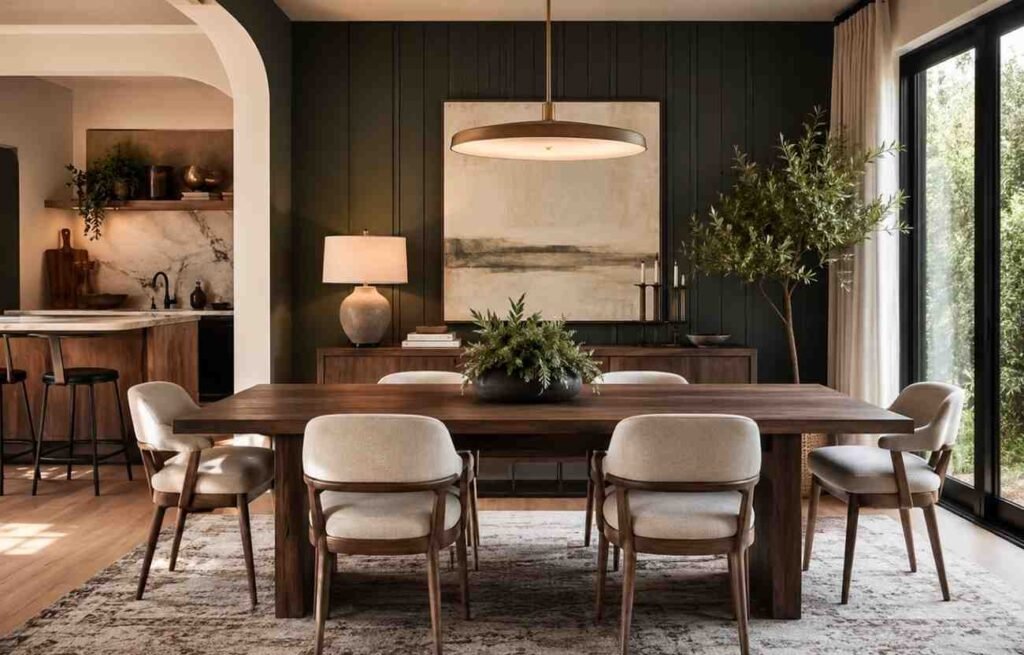
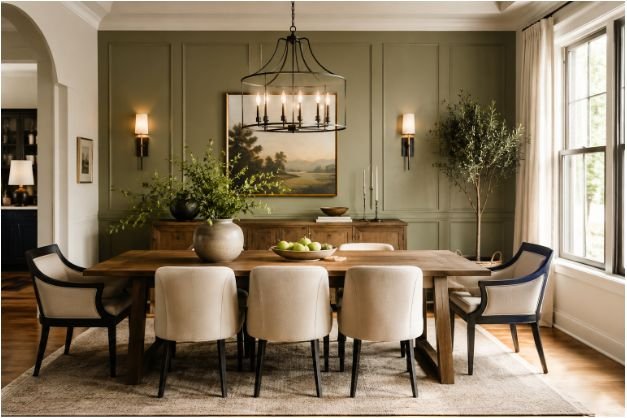
    Walls often become the biggest missed opportunity in a dining room. Adding architectural millwork like wainscoting, crown molding, or decorative trim instantly creates depth and elegance without overwhelming the space.

    These details have remained popular for decades because they complement both traditional and contemporary interiors. Unlike wallpaper or highly decorative wall treatments that can quickly date a room, classic millwork provides subtle sophistication that continues to age well.

    Even simple trim upgrades can make a dining room feel custom-designed while increasing its long-term appeal.

    Natural Wood Continues to Lead the Way

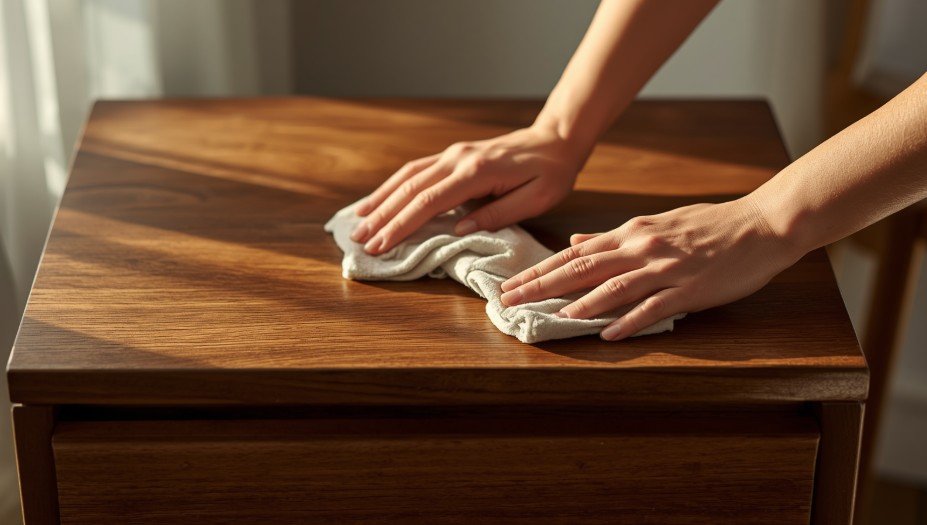
    Few materials offer the warmth and versatility of natural wood. Whether it’s a solid oak dining table, hardwood flooring, or open shelving, wood brings texture and character that synthetic materials often struggle to match.

    Hardwood flooring remains one of the most desirable features for homeowners because it’s durable, easy to maintain, and works with nearly every decorating style. It also offers excellent cost-per-wear compared to flooring options that may need replacing after only a few years.

    Choosing quality wood furniture also allows pieces to age gracefully, often becoming family heirlooms instead of temporary purchases.

    Statement Lighting Creates a Memorable Space

    Statement Lighting Creates a Memorable Space

    Lighting has become much more than a practical necessity. Today’s dining rooms often feature a chandelier or pendant light that anchors the entire room while adding personality.

    Timeless finishes such as polished nickel, chrome, matte black, or antique brass pair easily with changing décor styles. Instead of selecting an oversized fixture based only on current trends, homeowners are choosing lighting with balanced proportions and clean lines that will remain stylish for years.

    Layering lighting with wall sconces or dimmable fixtures also creates a warmer atmosphere for everyday meals and special occasions.

    Neutral Colors Offer More Design Freedom

    Bold colors certainly have their place, but neutral palettes continue to dominate timeless home design for good reason. Soft whites, warm beige, muted taupe, gentle gray, and earthy tones provide a calm backdrop that adapts easily as furniture, artwork, and accessories change.

    Neutral walls also allow statement furniture and decorative pieces to stand out naturally without competing for attention. If color preferences evolve over time, smaller accents like table linens, artwork, or centerpieces are much easier to update than repainting an entire room.

    Comfort Is Becoming Just as Important as Style

    Comfort Is Becoming Just as Important as Style

    Modern dining rooms aren’t designed only for formal dinners anymore. They’re often used for working remotely, helping children with homework, playing board games, or gathering with friends over coffee.

    That’s why upholstered dining chairs, supportive seating, and spacious layouts have become essential. Mixing wood chairs with upholstered options creates visual interest while making longer gatherings more comfortable.

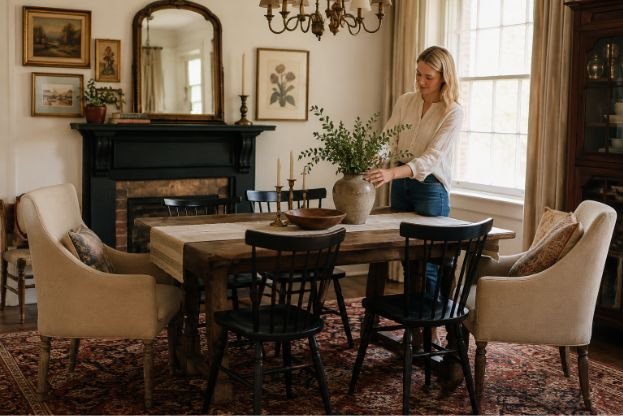
    Rather than purchasing perfectly matched dining sets, many homeowners are combining complementary materials and finishes to create spaces that feel collected instead of overly coordinated.

    Built-In Storage Makes Every Dining Room More Functional

    Beautiful design should also make everyday life easier. Built-in cabinetry, display shelves, and custom storage solutions help keep dining essentials organized while adding architectural interest.

    Neutral cabinetry in white, light oak, or soft taupe works particularly well because it blends with changing interior design trends. Displaying favorite dishes, glassware, or books also adds personality without creating unnecessary clutter.

    For homeowners thinking about dining room upgrades that add value to your home, built-in storage remains one of the smartest long-term investments because it improves both function and visual appeal.

    Invest in Quality Instead of Following Every Trend

    Invest in Quality Instead of Following Every Trend

    One of the biggest shifts in home interior trends is choosing fewer, better pieces. Instead of replacing furniture every few years, homeowners are investing in durable materials, solid construction, and timeless craftsmanship.

    Before making a purchase, consider these questions:

    • Will this piece still fit my style five or ten years from now?
    • Is it made from quality materials that can handle everyday use?
    • Can it adapt if I update the room’s décor in the future?

    Thinking this way creates a dining room that evolves naturally rather than requiring constant redesign.

    FAQs: Looking Ahead: Dining Room Trends That Will Last for Years

    1. What dining room trends have the best long-term appeal?
    Natural wood furniture, architectural trim, neutral colors, quality lighting, and comfortable seating continue to stay relevant because they balance style with everyday function.

    2. Do neutral dining rooms look boring over time?
    Not at all. Neutral palettes create flexibility, allowing artwork, textiles, plants, and seasonal décor to refresh the space without major renovations.

    3. Is hardwood flooring still worth the investment?
    Yes. Hardwood remains one of the most desirable flooring options because it’s durable, timeless, and complements a wide range of interior styles.

    4. How can I update my dining room without a full remodel?
    Start with statement lighting, fresh paint, improved seating, or architectural molding. Small upgrades often create a noticeable difference while preserving a timeless look.

    Why Timeless Design Always Feels Worth It

    The best dining rooms aren’t the ones that perfectly follow every new trend. They’re the spaces that continue to feel welcoming year after year because they’re built on thoughtful design decisions instead of temporary inspiration. Quality materials, classic finishes, comfortable furniture, and practical storage create a room that’s easy to enjoy today and just as easy to appreciate years from now.

    When good design is built to last, you spend less time redecorating and more time making memories around the table.

  • Elegant Dining Room Setup Tips That Balance Comfort and Style

    Elegant Dining Room Setup Tips That Balance Comfort and Style

    A dining room isn’t just where meals happen anymore. It’s where families catch up after busy days, friends gather for celebrations, kids finish homework before dinner, and weekend mornings stretch into long conversations over coffee. Because it’s used for so much more than eating, the way it feels matters just as much as the way it looks.

    An elegant dining room setup doesn’t have to be formal or filled with expensive décor. The spaces people remember most usually combine thoughtful design with genuine comfort. The right furniture, lighting, textures, and layout work together to create a room that feels welcoming every day while still looking polished when guests arrive.

    Start With a Dining Table That Fits the Space

    Start With a Dining Table That Fits the Space

    The dining table naturally becomes the centerpiece of the room, so choosing the right one influences everything around it. Before considering materials or finishes, think about proportion. A table that’s too large can make the room feel cramped, while one that’s too small often gets lost in the space.

    Round and oval tables work especially well in smaller rooms because they improve movement and encourage conversation. Their soft edges also create a more relaxed atmosphere. In larger dining rooms, rectangular tables continue to be a timeless choice, especially when paired with balanced furniture placement.

    Pay attention to the table base as well. Pedestal designs offer more legroom and make seating arrangements feel less restrictive than traditional four-leg tables.

    Comfortable Seating Makes the Biggest Difference

    A beautiful dining room quickly loses its appeal if nobody enjoys sitting there for long. Comfortable seating encourages people to stay at the table, whether they’re enjoying dinner or lingering over dessert.

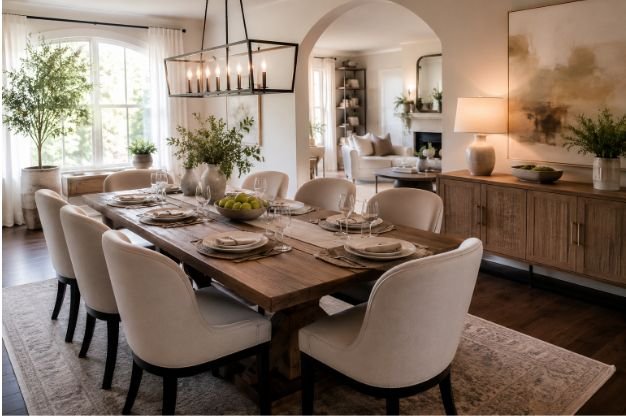
    Look for chairs with supportive backs, generous seat depth, and quality cushioning. Upholstered dining chairs add softness while creating visual contrast against natural wood tables. Materials like linen, boucle, leather, and velvet also introduce texture without overwhelming the room.

    If you want a more personalized look, consider mixing seating styles. Statement armchairs at each end of the table paired with coordinating side chairs create subtle variety while maintaining balance. If you’re exploring different wooden dining chair styles, choosing designs with clean lines and solid wood construction can bring warmth, durability, and timeless appeal to almost any dining room.

    Use Texture and Color to Add Warmth

    Use Texture and Color to Add Warmth

    An elegant dining room rarely depends on bold colors alone. Instead, it builds interest by layering different materials and finishes that complement one another.

    Natural wood grain, woven fabrics, soft upholstery, stone accents, and subtle metal finishes create richness without making the space feel busy. Neutral color palettes continue to work well because they allow furniture and architectural details to stand out naturally.

    Area rugs also play an important role. Besides defining the dining area, they absorb sound and make the room feel more comfortable underfoot. Choose a rug large enough so chairs remain fully supported even when pulled away from the table. Low-pile or flatweave options allow chairs to slide easily while remaining practical for everyday use.

    Adding greenery through a simple plant or fresh branches introduces color and life without competing with the rest of the décor.

    Decorate With Purpose Instead of Filling Every Surface

    Elegant spaces usually have one thing in common—they feel intentional rather than crowded.

    Instead of displaying numerous decorative objects, focus on a few carefully selected pieces that complement the room. A low floral arrangement, ceramic bowl, or grouping of candles creates visual interest while allowing everyone seated at the table to maintain eye contact during conversations.

    Artwork should reflect the scale of the room. One oversized piece often feels more sophisticated than several smaller frames scattered across the wall. Likewise, a sideboard or buffet provides both storage and an opportunity to display meaningful décor without cluttering the dining table itself.

    Avoid matching every piece of furniture perfectly. A mix of finishes and textures creates a more collected, lived-in appearance that feels both elegant and approachable.

    Make Everyday Function Part of the Design

    Make Everyday Function Part of the Design

    A dining room may look beautiful in photos, but it should also support everyday life. That’s why layout matters just as much as furniture selection.

    Try to leave at least 36 inches of clearance between the dining table and surrounding walls or furniture. This allows chairs to move comfortably and keeps traffic flowing naturally, even when several people are using the space.

    If your dining room is part of an open floor plan, use lighting, rugs, or furniture placement to visually define the area without making it feel closed off. The goal is to create a space that feels connected to the rest of the home while still having its own identity.

    Storage also contributes to a more elegant room. A buffet, sideboard, or display cabinet keeps dinnerware, linens, and serving pieces organized while reducing visible clutter. When everyday essentials have a designated place, the room naturally feels calmer and more refined.

    FAQs: Elegant Dining Room Setup Tips That Balance Comfort and Style

    What makes a dining room feel elegant without spending a fortune?
    Focus on quality over quantity. A well-proportioned table, comfortable seating, layered lighting, and a few carefully chosen decorative pieces often create a more refined look than filling the room with expensive accessories.

    Should dining chairs always match the table?
    Not necessarily. Mixing complementary materials, finishes, or upholstery can add personality while keeping the room balanced. The key is maintaining a consistent overall style.

    What size rug works best under a dining table?
    Choose a rug large enough that every chair stays on it, even when pulled out. This improves comfort, protects flooring, and keeps the room looking visually balanced.

    Which colors work best for an elegant dining room setup?
    Neutral shades paired with natural wood, soft textures, and subtle accent colors create a timeless look that’s easy to refresh with seasonal décor rather than major redesigns.

    Where Style Feels Most Natural

    An elegant dining room isn’t defined by luxury furniture or perfectly coordinated décor. It’s created through thoughtful decisions that make the room enjoyable to use every day. Comfortable seating, balanced lighting, natural materials, and uncluttered styling work together to create a space where people genuinely want to gather.

    When comfort and style support one another instead of competing, the dining room becomes more than just another space in the home—it becomes one people naturally return to, whether for everyday meals or life’s biggest celebrations.

  • Home Office Layout Ideas for Maximum Productivity

    Home Office Layout Ideas for Maximum Productivity

    I have learned that a productive workspace is not just about buying a desk and chair. The way everything is placed affects focus, energy, comfort, and even how long I can work without feeling drained. That is why Home Office Layout Ideas for Maximum Productivity should begin with smart planning, not random decorating.

    Why Your Home Office Layout Matters

    A good layout helps reduce distractions and makes daily work feel easier. When the desk, chair, lighting, storage, and technology are arranged properly, the space supports concentration instead of fighting against it.

    The best home office should feel calm, organized, and easy to move around in. It should also match the type of work being done. Someone who takes calls all day needs a different setup than someone who writes, designs, studies, or manages paperwork.

    Choose the Right Work Zone First

    The first step is choosing a quiet area with limited foot traffic. A spare bedroom, unused corner, hallway nook, basement section, or dining room wall can all work if planned correctly without affecting areas meant to boost foot traffic.

    The goal is to create a dedicated work zone, even in a small space. This helps the brain separate work time from relaxation time. A simple rug, bookshelf, divider, or wall color can visually define the office area without needing a separate room.

    Place the Desk for Better Focus

    Place the Desk for Better Focus

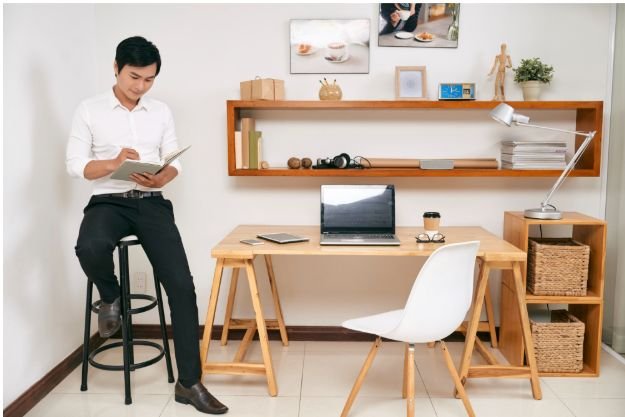
    Desk placement is one of the most important layout decisions. Ideally, the desk should face the room entrance or sit sideways to a window. This keeps the space open while still allowing natural light to enter.

    Avoid placing the screen directly in front of a bright window because glare can cause eye strain. Also avoid sitting with your back fully exposed to a busy room, as it may create distractions. A wall-facing desk can work well for deep focus, but adding art or a small shelf prevents the space from feeling plain.

    Use Natural Light Without Glare

    Natural daylight can make a workspace feel fresh and energizing. Place the desk near a window when possible, but use curtains, blinds, or adjustable shades to control brightness.

    For evening work, add layered lighting. A ceiling light alone is often not enough. Use a desk lamp for task lighting and a soft floor lamp or wall light to reduce harsh shadows. Good lighting improves comfort and helps the office feel more professional.

    Create Work, Storage, and Break Zones

    One of the strongest Home Office Layout Ideas for Maximum Productivity is dividing the space into clear zones. The work zone should hold only daily essentials. The storage zone should include files, supplies, books, chargers, and extra equipment. A small break zone can include a comfortable chair, plant, or reading corner.

    This layout keeps clutter away from the desk and makes the room feel more intentional. Even a tiny office can have zones if vertical shelves, rolling carts, wall hooks, or under-desk drawers are used wisely.

    Small Home Office Layout Ideas

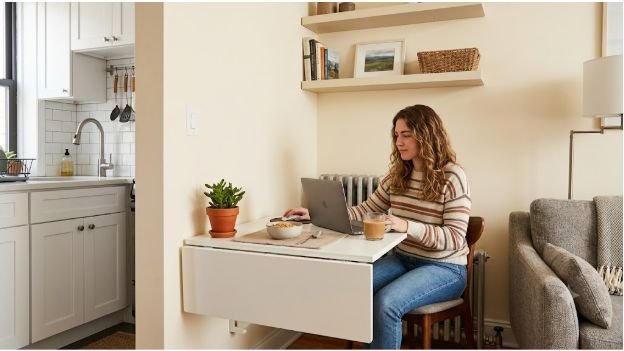
    Small spaces need smarter furniture. A wall-mounted desk, floating shelf, corner desk, foldable table, or ladder desk can save valuable floor space. Choose furniture with built-in storage to avoid crowding the room. As part of your home office feng shui tips for better productivity, arrange your furniture to promote a clear flow of movement, reduce visual clutter, and position your desk in a way that helps you feel comfortable, focused, and in control of your workspace.

    In a bedroom office, place the desk away from the bed if possible. In a living room office, use a bookcase or console table to blend the workspace with existing decor. In a closet office, add shelves above the desk and use bright lighting to make the area feel open.

    Ergonomic Layout Tips

    Ergonomic Layout Tips

    Productivity drops quickly when the body feels uncomfortable. The chair should support the lower back, and the feet should rest flat on the floor or on a footrest. The monitor should be at eye level, and the keyboard should allow relaxed shoulders.

    Keep frequently used items within arm’s reach. This includes notebooks, pens, chargers, headphones, and water. Items used less often should go in drawers or shelves. This simple setup reduces unnecessary movement and helps maintain focus.

    Keep Cables and Clutter Hidden

    Messy wires can make even a beautiful office feel stressful. Use cable clips, cord boxes, under-desk trays, and wireless accessories when possible. Label chargers if multiple devices are used.

    A clutter-free desk should include only what is needed for the current task. Use trays for paperwork, baskets for supplies, and closed cabinets for items that look messy. Clean surfaces make the room feel calmer and easier to work in.

    Add Plants and Personal Details

    A productive office should not feel cold. Add a plant, framed photo, artwork, candle, or textured rug to make the space inviting. However, keep decor balanced. Too many items can become visual noise.

    Choose colors that support focus. Soft neutrals, warm wood tones, muted greens, and light blues work well for a calm workspace. Darker tones can feel stylish but should be balanced with good lighting.

    Frequently Asked Questions

    1. What are the best Home Office Layout Ideas for Maximum Productivity?

    The best ideas include placing the desk near natural light, using an ergonomic chair, creating storage zones, reducing clutter, hiding cables, and keeping distractions away from the workspace.

    2. Where should a desk be placed in a home office?

    A desk works best near natural light but not directly facing glare. Facing the room entrance or sitting sideways to a window usually creates a balanced and comfortable setup.

    3. How can I make a small home office productive?

    Use vertical shelves, compact desks, wall-mounted storage, foldable furniture, and good lighting. Keep only daily essentials on the desk to avoid clutter.

    4. What should every home office include?

    Every home office should include a comfortable chair, proper desk height, good lighting, storage, cable management, and a quiet setup that supports focused work.

    Final Thoughts

    When I plan a workspace, I focus on comfort, clarity, and flow before decoration. A beautiful office is helpful, but a functional office is what keeps work moving smoothly. With the right desk placement, lighting, storage, and ergonomic setup, Home Office Layout Ideas for Maximum Productivity can turn even a small corner into a focused and inspiring workspace.

  • Kids Furniture for Quiet Study Corner: Smart Ideas for Calm Homework Time

    Kids Furniture for Quiet Study Corner: Smart Ideas for Calm Homework Time

    A child does not need a large study room to focus better at home. Sometimes, one calm corner with the right desk, chair, storage, and lighting can make homework feel easier. 

    For many US families living in apartments, townhomes, or shared bedrooms, choosing the right kids furniture for quiet study corner setups is the simplest way to create a distraction-free learning space without redesigning the whole home.

    A good study corner should feel comfortable, organized, and separate from play areas. When kids sit in the same place every day for reading, writing, and school projects, they start building stronger homework habits. The goal is not to create a strict classroom at home. The goal is to design a peaceful, child-friendly space that supports focus.

    Why Does a Quiet Study Corner Help Kids Focus?

    Children respond strongly to their surroundings. A bed encourages rest, a play area encourages fun, and a study corner encourages learning. When the space feels calm and predictable, kids can move into homework mode faster.

    A quiet homework space for kids also reduces everyday distractions like television, toys, loud household traffic, and clutter. It also helps limit the health dangers of loud noises, especially when children need a peaceful space to concentrate after school. A simple desk, supportive chair, and clean work surface can make study time feel less stressful and more manageable.

    What Furniture Does a Kids Study Corner Need?

    What Furniture Does a Kids Study Corner Need

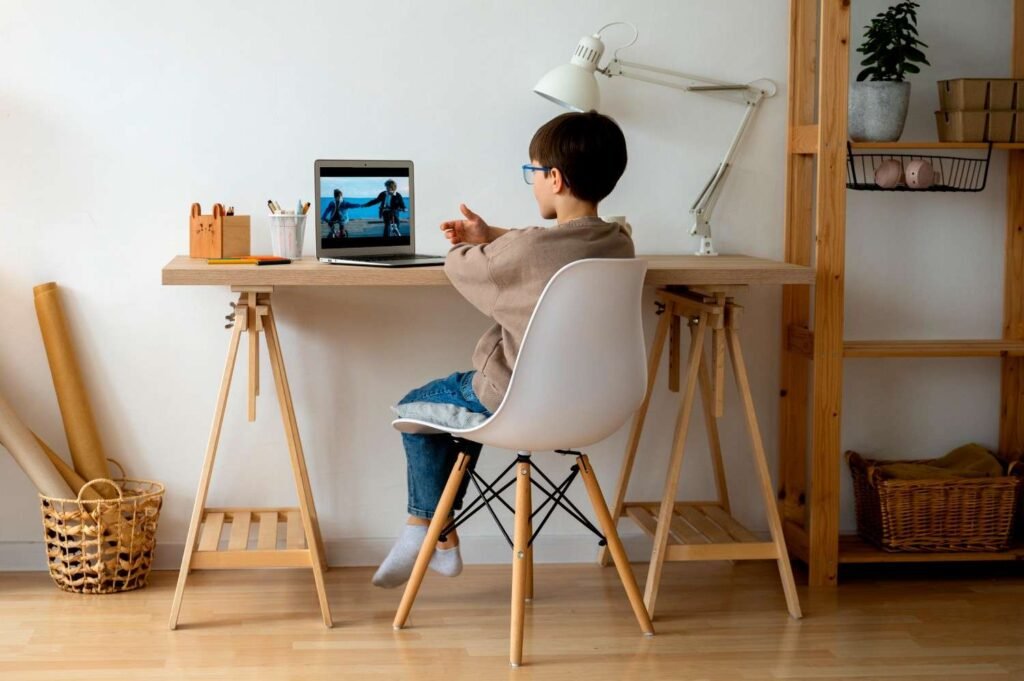
    The most important pieces are a child-sized desk, ergonomic chair, storage, and task lighting. I always prefer furniture that fits the child’s height, supports posture, and does not crowd the room.

    Height-adjustable desk and chair sets are especially useful because they grow with your child. They help reduce poor posture and make reading, writing, and laptop work more comfortable. Some kids study table sets also include tilted tabletops, which can reduce neck strain during long reading or drawing sessions.

    For small rooms, L-shaped corner desks are a smart option. They fit tightly into bedroom corners and give children separate zones for computer work, books, and paper assignments. If floor space is limited, a compact writing desk or wall-mounted desk can also work well.

    Are Desks With Built-In Storage Better?

    Desks with built-in hutches can be very helpful in a small kids study corner. They use vertical space for books, folders, art supplies, and school materials while keeping the main desktop clean. A clear desk helps kids focus because they see only what they need for the task in front of them.

    Cubby storage, drawer carts, floating shelves, and wall organizers can also support better organization. I like storage that kids can use on their own. If supplies are easy to reach and easy to put away, children are more likely to keep the area neat.

    How Do You Create a Cozy Reading Nook?

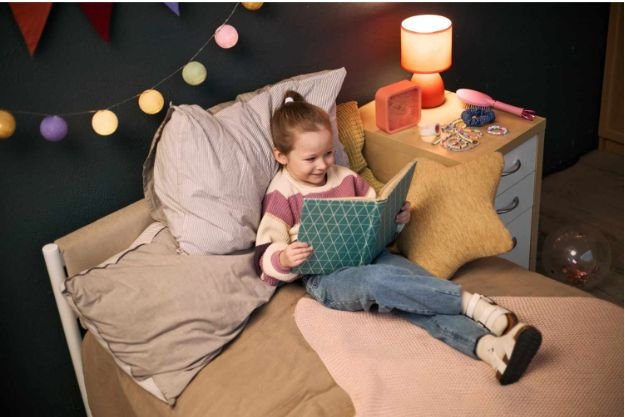
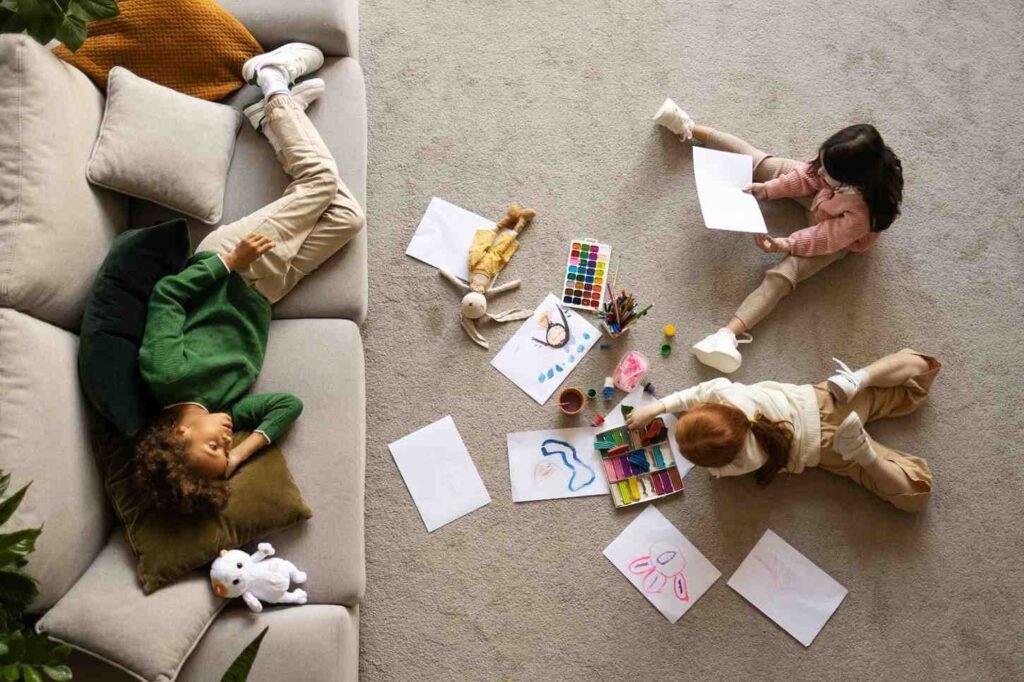
    Not every quiet corner needs to be only for homework. If your child enjoys reading, add soft, low-profile furniture to create a cozy reading nook. Choosing the right kids furniture for bedtime reading, such as a comfortable chair, floor cushions, a small bookshelf, and warm lighting, can make the space more inviting and encourage a relaxing reading routine before bed.

    Floor loungers, cushions, small beanbags, and soft rugs make reading feel relaxed and inviting. Forward-facing bookshelves are also useful for younger children because they display book covers outward. This makes it easier for kids to choose books independently instead of pulling everything off a deep shelf.

    A reading nook works best when it stays simple. Too many toys or decorative items can turn the area into a play zone instead of a calm learning space.

    Where Should You Place a Study Corner at Home?

    Where Should You Place a Study Corner at Home

    The best place is usually a low-traffic corner with good lighting and fewer distractions. A bedroom corner, hallway nook, living room corner, or space near the kitchen can all work depending on your child’s age and needs.

    Avoid placing the desk beside a TV, gaming console, toy shelf, or busy doorway. If your home has an open layout, use a rug, bookshelf, curtain, or small divider to create a visual boundary. This helps the child understand that the corner has a clear purpose.

    Natural light is helpful, but glare can make reading or screen work uncomfortable. A window-side desk works best with blinds or curtains to control brightness.

    How Can Lighting Improve a Kids Homework Station?

    Lighting plays a major role in focus. Poor lighting can cause eye strain, tiredness, and frustration. A desk lamp with adjustable brightness helps children read, write, draw, and complete projects more comfortably.

    Warm white lighting usually feels better for evening homework. The lamp should brighten the work surface without shining directly into your child’s eyes. If the corner is in a darker bedroom or hallway, task lighting becomes even more important.

    What Colors Work Best for a Quiet Study Space?

    Calm colors help create a peaceful study mood. Soft blue, sage green, warm white, beige, light gray, shades of yellow, and natural wood tones usually work better than neon shades or busy patterns.

    That does not mean the space should feel plain. You can add personality with a small pinboard, framed print, pencil holder, or chair cushion. The background should stay calm, while a few personal touches make the space feel welcoming.

    What Mistakes Should Parents Avoid?

    What Mistakes Should Parents Avoid

    One mistake is buying furniture only because it looks cute. A desk and chair must fit your child’s body first. If the chair is too high or the desk is too low, your child may slouch or lose focus quickly.

    Another mistake is adding too much furniture. A study area packed with shelves, bins, toys, gadgets, and decorations can feel overwhelming. Keep the setup clean and practical.

    The third mistake is ignoring your child’s habits. If your child reads more than they write, add a better reading seat. If they use many worksheets, add paper storage. If they get distracted easily, keep the desktop almost empty.

    Frequently Asked Questions (FAQs)

    1. What is the best furniture for a kids study corner?

    A height-friendly desk, ergonomic chair, storage shelf, desk lamp, and small organizer are the best basics for a kids study corner.

    2. How do I make a small study corner for kids?

    Use a compact corner desk, slim chair, wall shelves, task lamp, and rug to define the study space without taking over the room.

    3. Are L-shaped desks good for kids?

    Yes, L-shaped desks are good for kids when you need to use a bedroom corner and create separate areas for books, laptops, and writing.

    4. How can I make a study corner less distracting?

    Keep the desktop clear, use calm colors, remove toys nearby, limit screen distractions, and store supplies in easy-to-reach places.

    Final Thoughts

    The best kids furniture for quiet study corner designs should make learning feel calm, comfortable, and easy to repeat every day. Start with a supportive desk and chair, add smart storage, include soft lighting, and choose a peaceful location away from distractions.

    You do not need a large room or expensive makeover. With thoughtful planning, kids furniture for quiet study corner setups can help your child stay organized, focus better, and enjoy a healthier homework routine at home.

  • Why Wooden Dining Chair Styles Still Lead Modern Dining Room Design?

    Why Wooden Dining Chair Styles Still Lead Modern Dining Room Design?

    When people think about updating a dining room, the table usually gets all the attention. It’s the centerpiece, after all. But spend enough time in a well-designed dining space, and you’ll notice something else. The chairs often determine how inviting the room feels, how comfortable long dinners become, and how the entire space comes together visually.

    That’s one reason wooden dining chair styles continue to stand out, even as furniture trends change. They offer a balance that’s hard to replicate—natural warmth, dependable durability, and designs that fit everything from cozy breakfast nooks to open-concept dining rooms.

    Whether you’re furnishing a new home or refreshing your current space, wooden chairs remain one of the easiest ways to create a dining area that feels timeless without looking outdated.

    Why Wooden Dining Chairs Continue to Define Modern Dining Rooms

    Why Wooden Dining Chairs Continue to Define Modern Dining Rooms

    Modern interiors have gradually moved away from overly polished, all-white spaces. Homeowners now want rooms that feel comfortable, personal, and connected to natural materials. Wood delivers that feeling almost instantly.

    Unlike metal or plastic seating, solid wood introduces visible grain patterns, soft textures, and subtle imperfections that make every chair feel unique. Oak, walnut, maple, and acacia each bring their own character, allowing homeowners to match their furniture with different interior styles without sacrificing warmth.

    Wood also works beautifully alongside today’s popular materials. Glass tabletops, stone surfaces, matte black hardware, and textured fabrics all pair naturally with wooden furniture. Instead of competing for attention, wood helps tie different design elements together.

    Popular Wooden Dining Chair Styles Worth Considering

    Mid-Century Modern

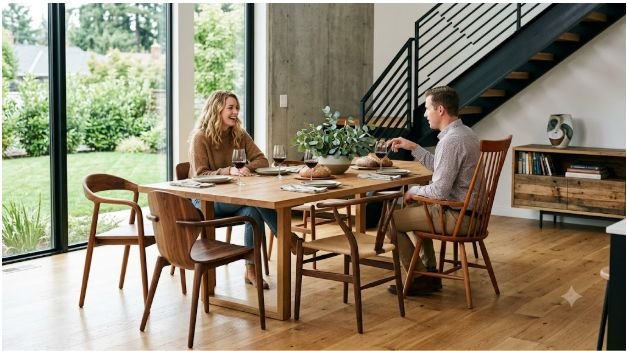
    Mid-century modern remains one of the most popular wooden dining chair styles because of its clean lines, gently curved backs, and practical simplicity. Inspired by Scandinavian craftsmanship, these chairs emphasize comfort without unnecessary decoration.

    They work especially well in contemporary homes where open layouts benefit from furniture that feels visually light rather than bulky.

    Windsor Chairs

    Windsor chairs have been around for centuries, yet they continue to fit surprisingly well in modern homes. Their signature spindle back adds character without overwhelming a room, making them an excellent choice for both traditional and transitional interiors.

    Today’s versions often feature matte finishes and simplified silhouettes that blend old craftsmanship with modern design.

    Scandinavian Chairs

    Scandinavian Chairs

    Scandinavian furniture continues to influence dining room design because it prioritizes functionality and comfort. These chairs often feature light-colored wood, soft curves, and minimalist construction that creates a calm, uncluttered look.

    They’re particularly effective in smaller dining areas because their streamlined frames help the room feel more open.

    Farmhouse Chairs

    Farmhouse-inspired seating has evolved beyond rustic interiors. Modern farmhouse wooden chairs combine sturdy construction with cleaner profiles, making them suitable for a wide range of homes.

    Natural wood finishes and subtle distressing create a welcoming atmosphere while remaining durable enough for everyday family meals.

    Cross-Back Chairs

    Cross-back, or X-back, chairs have become increasingly popular because they strike a balance between decorative detail and everyday practicality. Their distinctive backrest adds visual interest while providing reliable support during longer meals.

    They’re often paired with reclaimed wood tables or mixed-material dining sets, creating a relaxed but refined dining space.

    Comfort Matters Just As Much As Style

    Comfort Matters Just As Much As Style

    A beautiful chair loses its appeal if it isn’t comfortable to sit in. That’s why today’s buyers pay closer attention to ergonomic design than ever before.

    Seat height should allow enough clearance beneath the table while keeping feet comfortably on the floor. Backrests should provide natural support without feeling rigid, and wider seats often make everyday dining more enjoyable for both family meals and entertaining guests.

    The best wooden dining chairs balance appearance with function, making them pieces people enjoy using every day instead of simply admiring from across the room.

    Choosing the Right Wooden Dining Chair for Your Space

    Finding the right chair isn’t just about matching colors. It starts with understanding how the room functions every day. A large dining room can comfortably accommodate wider, more substantial chairs, while compact spaces benefit from slimmer silhouettes that leave enough room to move around the table.

    If you’re furnishing a smaller dining area, it’s equally important to choose chairs that complement the dining table for small spaces. Open-back designs, tapered legs, and lighter wood finishes help maintain an airy feel without making the room appear crowded.

    Material also deserves careful consideration. Solid hardwoods like oak and walnut are known for their durability and timeless appeal, while ash and maple offer a lighter, contemporary look. Natural finishes allow the wood grain to become part of the design, giving every chair a unique character that only improves with age.

    FAQs: Why Wooden Dining Chair Styles Still Lead Modern Dining Room Design

    Which wood is best for dining chairs?
    Oak, walnut, maple, and ash are among the most popular choices because they’re durable, attractive, and suitable for everyday use. The best option depends on your budget, preferred finish, and interior style.

    Can different wooden dining chair styles be mixed together?
    Yes. Mixing styles creates a more personalized dining room. Keep one design element consistent, such as the finish, seat height, or overall shape, so the space feels balanced instead of mismatched.

    Are wooden dining chairs comfortable for everyday use?
    Absolutely. Chairs with supportive backrests, the correct seat height, and ergonomic proportions provide lasting comfort for daily meals, family gatherings, and entertaining guests.

    Do wooden dining chairs work in modern homes?
    Yes. Their natural grain, timeless construction, and ability to pair with glass, stone, metal, and upholstered furniture make them one of the most versatile choices for contemporary interiors.

    Why Great Dining Rooms Always Start With Comfortable Seating

    The dining table may be the centerpiece, but the chairs shape how the space is experienced every day. The right wooden dining chair styles bring warmth, comfort, and character while adapting to changing design trends without losing their appeal. They’re practical enough for everyday meals and refined enough for special occasions, making them one of the smartest long-term furniture investments.

    Good design isn’t about following every new trend. It’s about choosing pieces you’ll still enjoy years from now.

  • Home Office Feng Shui Tips for Better Productivity

    Home Office Feng Shui Tips for Better Productivity

    Working from home taught me one thing quickly: a desk is not just a desk. The way my workspace feels can affect how clearly I think, how long I stay focused, and how smoothly my day flows. That is why Home Office Feng Shui Tips for Better Productivity can be so useful for anyone trying to create a calmer and more effective work area.

    Feng shui is not about making a room look mystical or complicated. It is about arranging your space so it feels balanced, supportive, and easy to work in. A few smart changes can help reduce distractions, improve comfort, and make your office feel more intentional.

    Why Feng Shui Matters in a Home Office

    A home office can easily become a mix of work papers, chargers, laundry, boxes, and random household items. When the space feels messy, the mind often feels messy too. Feng shui focuses on energy flow, but in practical terms, it also supports better organization, comfort, and focus.

    A better layout can make your office feel less stressful. Good lighting, clean surfaces, proper desk placement, and natural elements all help create a space where work feels easier.

    Place Your Desk in the Command Position

    One of the most common feng shui tips is placing your desk in the command position. This means your desk should face the entrance of the room, but not sit directly in line with the door.

    This setup helps you feel more aware and in control. Sitting with your back to the door can create a subtle sense of distraction because you cannot see what is behind you. If your room layout does not allow this, use a small mirror so you can see the entrance from your seat.

    Avoid Facing a Blank Wall All Day

    A desk pushed directly against a blank wall can feel limiting. If you must face a wall, add calming artwork, a vision board, or a clean shelf with a few meaningful items. The goal is to make the view feel open and inspiring instead of cramped.

    Declutter Before You Decorate

    Declutter Before You Decorate

    No feng shui setup works well if the desk is covered in clutter. Start by removing anything that does not support your workday. Keep only the items you use often, such as your laptop, notebook, pen holder, lamp, and one or two personal objects.

    Clear drawers, sort papers, hide extra wires, and avoid stacking old files where you can see them. A clean desk helps the room feel lighter and makes it easier to begin work without feeling overwhelmed.

    Use Natural Light Whenever Possible

    Natural light can make a home office feel more energetic and pleasant. If possible, place your desk near a window, but avoid harsh holes and glare on your screen. Soft daylight can improve mood and make long work hours feel less draining.

    If your office does not get much daylight, use layered lighting. A ceiling light alone may feel flat, so add a desk lamp for task work and a warm floor lamp for balance.

    Choose Colors That Support Focus

    Color has a strong effect on how a room feels. Soft greens, warm neutrals, muted blues, and earthy shades are often good choices for a productive office. These colors create a calm atmosphere without making the space feel dull. If your office also serves as a reading or meeting area, knowing how to choose a sofa that complements your color palette and provides lasting comfort can help create a workspace that is both functional and inviting.

    Avoid using too many bold colors around your desk. Bright red, neon tones, or overly busy patterns may feel exciting at first, but they can become distracting during long work sessions.

    Add Plants for Fresh Energy

    Plants are one of the easiest ways to bring life into a workspace. They soften the look of desks, shelves, and corners while adding a natural element to the room.

    Good options include snake plants, pothos, peace lilies, or small succulents. Choose low-maintenance plants if you are busy. A dead or neglected plant creates the opposite effect, so pick something easy to care for.

    Balance Technology With Calm Details

    A home office usually has screens, cables, chargers, routers, and devices. Too much visible technology can make the room feel tense. Use cable clips, boxes, baskets, or desk trays to keep cords organized.

    You can also balance tech-heavy areas with natural textures such as wood, cotton, ceramic, stone, or woven storage. This keeps the room from feeling cold or overly digital.

    Keep Your Chair Supportive and Stable

    Keep Your Chair Supportive and Stable

    In feng shui, support matters. In practical terms, that means your chair should be comfortable, sturdy, and good for your posture. A weak, wobbly, or uncomfortable chair can make work feel harder than it needs to be.

    Choose a chair with back support and adjust it so your feet rest comfortably on the floor. If your chair faces away from a wall, place a solid bookcase or cabinet behind you to create a stronger sense of support.

    Create a Clear Work Zone

    If your office is part of a bedroom, living room, or shared area, define the workspace clearly. Use a rug, shelf, screen, plant, or lighting change to separate work from personal life.

    This helps your mind understand when it is time to focus and when it is time to relax. Even a small corner can feel like a real office when it has clear boundaries.

    Avoid Sharp, Stressful Corners

    Sharp corners from furniture, shelves, or décor pointing toward your chair can make a space feel uncomfortable. If possible, soften these areas with plants, rounded accessories, fabric, or repositioned furniture.

    Rounded shapes can make the office feel more welcoming. You do not need to replace everything. Small changes are enough to make the space feel smoother.

    Use Meaningful Décor, Not Random Décor

    Decorate with intention. Add items that support your goals, such as a framed quote, artwork, a clean calendar, or a small object that reminds you of progress. Avoid filling shelves with too many decorative pieces that collect dust.

    A good office should feel personal but not crowded. Every visible item should either be useful, beautiful, or motivating.

    Frequently Asked Questions

    1. What are the best Home Office Feng Shui Tips for Better Productivity?

    The best tips include placing your desk in the command position, clearing clutter, using natural light, adding plants, choosing calming colors, and keeping your chair supportive.

    2. Where should my desk face in a home office?

    Your desk should ideally face the door without being directly aligned with it. This creates a more balanced and confident working position.

    3. What colors are best for a productive office?

    Soft green, blue, beige, cream, warm white, and earthy tones work well because they feel calm, clean, and focused.

    4. Can feng shui help a small home office?

    Yes. Feng shui can work in small spaces by improving layout, reducing clutter, using better lighting, and creating a clear work zone.

    Final Thoughts

    When I changed my workspace with simple feng shui ideas, I noticed the room felt easier to use and less distracting. The biggest improvements came from moving my desk, clearing clutter, improving lighting, and adding natural elements.

    You do not need a perfect office to get results. Start with one corner, one drawer, or one desk adjustment. With the right changes, Home Office Feng Shui Tips for Better Productivity can help your workspace feel calmer, cleaner, and more focused every day.

  • Dining Room Upgrades That Add Value to Your Home While Keeping It Timeless

    Dining Room Upgrades That Add Value to Your Home While Keeping It Timeless

    A dining room often gets less attention than a kitchen or living room, yet it’s one of the spaces people remember most. It’s where holiday dinners stretch into late-night conversations, birthdays are celebrated, and everyday meals become family traditions. Even if the room isn’t used daily, its design leaves a lasting impression on guests and potential buyers alike.

    That’s why the best dining room upgrades aren’t always the most expensive ones. A timeless space doesn’t rely on trendy colors or oversized statement pieces that quickly feel dated. Instead, it combines thoughtful design, quality materials, and practical improvements that continue to look beautiful year after year. If you’re planning updates, focusing on long-term value rather than short-lived trends can make every dollar work harder.

    What Makes a Dining Room More Valuable?

    What Makes a Dining Room More Valuable

    Adding value goes beyond increasing resale potential. A well-designed dining room improves how the space functions while making the entire home feel more polished. Buyers often notice details that create a sense of quality, even if they can’t immediately explain why a room feels inviting.

    Timeless design also ages better. Instead of chasing the latest decorating trend, homeowners are investing in architectural character, durable materials, and furniture that adapts as styles evolve. These choices often deliver a better cost-per-wear over time because they don’t need frequent replacement.

    Upgrade the Lighting Before Anything Else

    Lighting has one of the biggest visual impacts in a dining room. Replacing an outdated fixture with a well-proportioned chandelier or linear pendant instantly changes the atmosphere without requiring a full renovation.

    Rather than choosing highly themed or trendy fixtures, look for finishes like brushed nickel, matte black, or unlacquered brass. These materials have remained popular across multiple design styles because they complement both traditional and contemporary interiors.

    Layered lighting also improves functionality. Pairing an overhead fixture with wall sconces or dimmable lighting creates flexibility for everything from weekday dinners to larger gatherings. Natural light should also be part of the plan whenever possible. Keeping window treatments light and functional allows daylight to become another design feature.

    Add Architectural Details That Never Go Out of Style

    Few upgrades make a builder-grade dining room feel custom as quickly as architectural millwork. Wall paneling, picture-frame molding, Shaker-style wainscoting, or beadboard add depth and visual interest without overwhelming the room.

    These details become part of the home’s structure rather than temporary decoration, which is one reason they continue to appeal to buyers. They also provide a refined backdrop for changing furniture and décor over the years.

    If you’re drawn to classic interiors, this is also where heritage-inspired dining rooms offer lasting inspiration. Traditional craftsmanship paired with updated finishes creates a space that feels warm, welcoming, and relevant instead of outdated.

    Invest in Flooring That Lasts

    Invest in Flooring That Lasts

    Flooring plays a major role in both appearance and durability. Worn carpet or aging vinyl can make an otherwise attractive dining room feel neglected, while quality hardwood flooring immediately creates a stronger first impression.

    White oak, walnut, and wide-plank hardwood remain popular because they complement many interior design styles. If replacing flooring isn’t practical, refinishing existing hardwood often delivers impressive results at a lower cost.

    An area rug can further define the dining space, but size matters. A rug should be large enough that chairs remain on it even when they’re pulled back from the table. This small detail improves both comfort and visual balance.

    Build a Timeless Foundation With Color and Texture

    Paint is one of the most affordable home improvement ideas, but choosing the right color matters. Soft whites, warm taupes, gentle greiges, and muted earth tones create a timeless backdrop that works with changing décor instead of competing with it.

    Texture is just as important as color. Linen curtains, woven shades, natural wood finishes, and cotton or wool textiles soften the room while adding depth. Rather than filling shelves with decorative accessories, focus on a few meaningful pieces that complement the space. A carefully chosen mirror, framed artwork, or ceramic centerpiece often creates more impact than multiple small decorations.

    Add Storage That Blends Style and Function

    Add Storage That Blends Style and Function

    Storage is one of the most overlooked dining room upgrades that add value to your home. A built-in buffet, sideboard, or custom hutch keeps serving dishes, table linens, and seasonal décor organized while making the room feel thoughtfully designed.

    If custom cabinetry isn’t in the budget, a freestanding buffet can offer similar benefits. Look for quality construction, timeless finishes, and enough storage to reduce clutter. Buyers often appreciate spaces that feel practical as much as they admire beautiful design.

    Which Upgrades Offer the Best Long-Term Value?

    If you’re prioritizing your budget, focus on improvements that combine durability with everyday function. These upgrades consistently deliver the greatest long-term value:

    • Quality lighting, architectural millwork, hardwood flooring, and well-made furniture create a lasting impression while requiring minimal future updates.
    • Neutral colors, layered textures, and practical storage keep the room functional and appealing for years, regardless of changing design trends.

    A dining room doesn’t need a complete remodel to feel elevated. Often, a series of thoughtful upgrades produces a more refined result than one expensive renovation.

    FAQs: Dining Room Upgrades That Add Value to Your Home While Keeping It Timeless

    Which dining room upgrade adds the most value?
    Lighting is often the best place to start. A timeless fixture paired with layered lighting instantly improves appearance, functionality, and buyer appeal.

    Should I replace my dining room flooring?
    If existing flooring is badly worn, upgrading to hardwood or refinishing quality wood floors usually offers better long-term value than replacing everything with trendy materials.

    Are built-in cabinets worth the investment?
    Yes. Built-in storage adds functionality, reduces clutter, and gives the room a custom look that many buyers appreciate during home tours.

    How do I keep my dining room timeless?
    Choose neutral colors, durable materials, quality furniture, and architectural details. Update accessories over time while keeping permanent features simple and classic.

    Why Timeless Design Always Feels Like Home

    The best dining room upgrades aren’t about impressing people for a season. They’re about creating a space that continues to feel welcoming through everyday meals, holiday gatherings, and life’s biggest celebrations. When you invest in quality craftsmanship, thoughtful layouts, and materials that age gracefully, your dining room becomes more than another room—it becomes part of your home’s story.

    Design trends will continue to change, but timeless spaces rarely lose their appeal.

  • Kids Furniture for Bedtime Reading: Create a Cozy Night Routine

    Kids Furniture for Bedtime Reading: Create a Cozy Night Routine

    Choosing the right kids’ furniture for bedtime reading can turn a regular bedroom into a calm, cozy place where children naturally slow down at night. I believe bedtime reading works best when the space feels comfortable, safe, and easy for kids to use without needing constant help from parents.

    For many families in the US, evenings can feel rushed with homework, dinner, baths, and school prep for the next morning. A well-planned bedtime reading area helps children move from busy daytime energy into a more peaceful sleep routine. The right chair, bookshelf, lighting, and storage can make reading feel like a comforting habit instead of another task.

    Why Does Bedtime Reading Furniture Matter?

    Children can read anywhere, but the right setup makes a big difference. A dining chair may feel too stiff, a bed may encourage poor posture, and a cluttered room may distract your child. A dedicated kids bedroom reading nook creates a clear signal that it is time to relax.

    Good bedtime reading furniture supports comfort, independence, routine, and children’s mental health. When children can reach their books, sit safely, and enjoy soft lighting, they are more likely to read without screens before bed. This helps create a calmer evening rhythm for both kids and parents.

    What Is the Best Kids Furniture for Bedtime Reading?

    What Is the Best Kids Furniture for Bedtime Reading

    The best kids furniture for bedtime reading usually includes comfortable seating, simple book storage, soft lighting, and safe placement near the bed. I prefer furniture that looks inviting but still supports everyday use.

    A child-sized reading chair is a great starting point. Look for a supportive back, soft cushioning, and a low seat height. Younger children may enjoy foam chairs, small upholstered chairs, or convertible flip-out mini-sofas, while older kids may prefer a compact lounge chair or cushioned accent chair.

    Many of the same principles used in how to choose a sofa for a living room—such as prioritizing comfort, durability, quality materials, and the right size for the space—also apply when selecting seating that encourages children to read and relax.

    Plush floor seating is another smart choice, especially for toddlers and younger children. Oversized floor pillows, bean bags, and foam loungers sit low to the ground, which helps reduce fall risks. They also give kids room to stretch out with larger picture books.

    How Do All-in-One Bookcase Nooks Help Kids Read at Night?

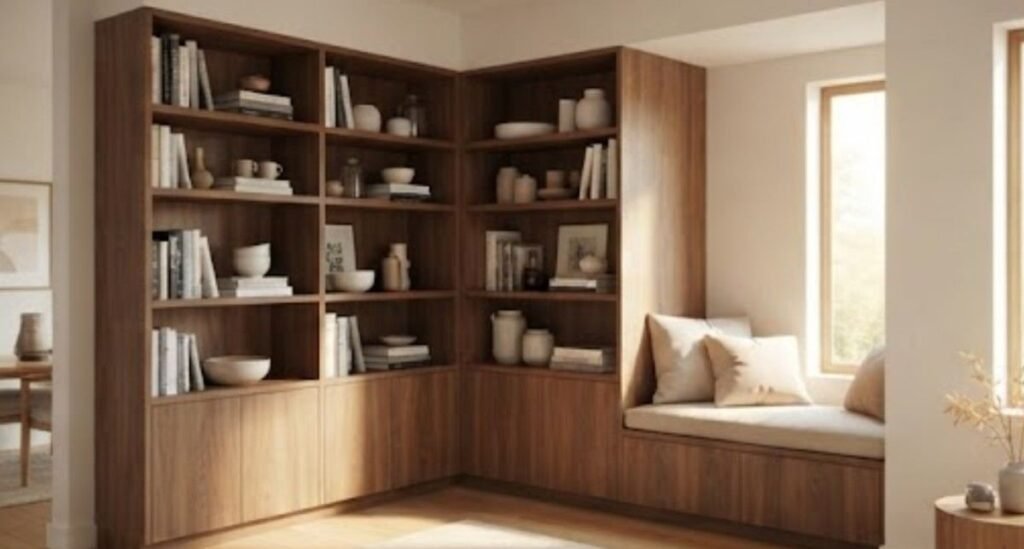
    All-in-one bookcase nooks are one of the most practical options for a bedtime reading space. These units often include a built-in upholstered bench surrounded by storage cubbies. I like this setup because it gives children a structured place to sit while keeping books within arm’s reach.

    This type of furniture works especially well in kids’ bedrooms where parents want both seating and storage. The bench creates a dedicated reading spot, while the cubbies hold books, blankets, stuffed animals, and bedtime essentials. For safety, taller units should always be secured with anti-tip hardware.

    Are Front-Facing Book Ledges Better for Young Readers?

    Front-facing book ledges are excellent for pre-readers, toddlers, and early readers because they display book covers instead of spines. Since young children often choose books by pictures, this setup makes nightly story selection easier and more independent.

    Wall-mounted floating shelves can also save floor space in smaller bedrooms. I recommend placing them at a child-friendly height so kids can choose books safely without climbing. A front-facing book display also keeps favorite bedtime stories visible, which can encourage children to read more often.

    Why Bedside Storage Caddies Make Bedtime Easier

    Why Bedside Storage Caddies Make Bedtime Easier

    A bedside storage caddy is a simple but useful addition to a children’s reading corner. Hanging canvas pockets or slim wooden caddies can attach to the bed frame, bunk bed, or guardrail. This keeps the selected “books of the night” close to the mattress.

    I find this helpful because children do not need to get out of bed after reading. Once story time ends, they can tuck the book into the caddy and settle down. This small detail supports a smoother transition from reading time to sleep time.

    How Should You Place Reading Furniture Near the Bed?

    Proximity to the bed matters. The reading zone should be close enough that your child can move from story time to sleep without becoming too alert again. If the chair or reading nook is across the room, some kids may start playing or become distracted.

    A bedside reading corner, a chair beside the bed, or a floor cushion near a low bookshelf can work well. The goal is to make the shift from reading to sleeping feel seamless and calm.

    What Lighting Works Best for Bedtime Reading?

    Lighting should be soft, warm, and clear enough for reading. Harsh overhead bedroom lights can feel too bright before sleep. I prefer a dimmable warm-toned clip-on reading light, a stable bedside lamp, or a wall-mounted sconce.

    Place the light near the book without creating glare. Keep cords away from walkways, and choose stable lamps that children cannot knock over easily. Warm lighting helps the room feel peaceful while still protecting your child from eye strain.

    What Safety Features Should Parents Look For?

    What Safety Features Should Parents Look For

    Safety should always come before appearance. Choose rounded furniture corners, sturdy bases, washable fabric covers, and smooth finishes. If you use taller shelves or bookcase nooks, secure them to the wall with anti-tip hardware.

    For younger kids, low-to-the-ground seating is often safer than tall chairs. Washable covers also help with accidental spills, snack crumbs, and everyday mess. Avoid placing climbable furniture under windows, and keep the reading area away from heaters, vents, loose cords, and heavy wall décor.

    How Can Small Bedrooms Still Have a Reading Nook?

    A small bedroom can still have a beautiful reading space. You do not need a large room or expensive furniture. A floor cushion, narrow book ledge, bedside caddy, and warm lamp can create a cozy reading corner without taking up much space.

    Storage ottomans can hold books while doubling as seating. Wall shelves can replace bulky bookcases. A foam flip-out mini-sofa can work as both a reading seat and a lounge spot. The best setup is the one that fits your child’s room and routine.

    Frequently Asked Questions (FAQs)

    1. What furniture is best for a kids bedtime reading nook?

    A child-sized chair, low bookshelf, front-facing book ledge, floor cushion, bedside caddy, and warm reading lamp work best.

    2. Are bean bags good for kids’ bedtime reading?

    Yes, bean bags can work well if they provide enough support and allow children to sit comfortably without too much slouching.

    3. How do I create a reading corner in a small kids bedroom?

    Use wall-mounted book ledges, a floor cushion, a bedside storage caddy, and a compact lamp to save space.

    4. What type of lighting is best for bedtime reading?

    A warm-toned dimmable lamp, wall sconce, or clip-on reading light is best because it supports reading without feeling too bright.

    Final Thoughts

    The right kids’ furniture for bedtime reading can make evenings calmer, more organized, and more enjoyable. A child-sized chair, plush floor cushion, all-in-one bookcase nook, front-facing book ledge, bedside caddy, and warm reading light can all support better nighttime habits.

    I believe the best bedtime reading space is not the most expensive one. It is the one your child wants to use every night. When books stay close, lighting feels soft, and furniture supports comfort and safety, bedtime reading becomes a routine children look forward to.

  • Dining Table for Small Spaces That Blend Function With Everyday Living

    Dining Table for Small Spaces That Blend Function With Everyday Living

    Finding the right dining table for a small home can feel more complicated than buying one for a large room. It’s easy to fall in love with a design online, only to realize it blocks walkways, makes the room feel cramped, or barely leaves enough space to pull out a chair. In compact homes, every piece of furniture has to earn its place.

    That’s why a dining table for small spaces should do more than provide a place to eat. It should fit naturally into your everyday routine, whether you’re working from home, sharing family meals, helping kids with homework, or hosting friends for dinner. The right table blends comfort, flexibility, and smart design without overwhelming the room.

    Why the Right Dining Table Makes a Big Difference

    Why the Right Dining Table Makes a Big Difference

    A small dining area doesn’t have to limit your options. Choosing the right table is more about understanding your space than buying the smallest model available.

    Start by thinking about how you actually use your dining area. If you eat with two people most days but occasionally entertain guests, an expandable table may be a better investment than a permanently large one. Likewise, if your dining room doubles as a workspace, choosing a table with a durable surface and flexible seating can make everyday living much easier.

    The goal is to create a room that feels open while still serving multiple purposes.

    Choose the Shape That Fits Your Layout

    The shape of your dining table plays a major role in how the room functions.

    Round Tables

    Round tables improve traffic flow because they don’t have sharp corners. They’re ideal for breakfast nooks, apartments, and square dining areas. Many pedestal-base designs also create extra legroom, making it easier to fit another chair when needed.

    Rectangular Tables

    Rectangular tables work well in narrow rooms. Choosing a slimmer design helps maintain comfortable walkways while providing enough seating for everyday meals.

    Square Tables

    Square tables suit compact households and smaller dining rooms where symmetry works best. They’re especially practical for two to four people without taking over the room.

    Extendable and Drop-Leaf Tables

    Few furniture pieces offer as much flexibility as drop-leaf or extendable tables. They remain compact during daily use and expand only when extra seating is needed. Some designs even fold into a narrow console, making them ideal for homes where every square foot matters.

    Size Matters More Than Style

    Size Matters More Than Style


    Before shopping, measure both the room and the area around the table.

    A good rule is to leave 36 to 42 inches of clearance between the edge of the table and nearby walls or furniture. This allows chairs to slide out comfortably while maintaining easy movement throughout the room.

    It’s also worth measuring doorways, hallways, and staircases before making a purchase. A table that fits your dining room won’t be much help if it can’t make it through the front door.

    Rather than choosing a table based on the maximum number of guests you might host once or twice a year, buy one that fits your everyday lifestyle.

    Materials That Help a Room Feel Bigger

    Material choice affects more than durability. It also changes how spacious a room feels.

    Glass tabletops allow light to travel through the room, creating a lighter appearance. Light oak, maple, or white finishes help brighten smaller spaces, while slim metal frames reduce visual weight without sacrificing stability.

    Solid wood remains a timeless investment, but engineered wood often offers excellent durability at a more affordable price. Choosing quality finishes that resist scratches and moisture helps extend the life of your furniture, especially in busy households.

    Don’t Overlook Your Seating

    Don't Overlook Your Seating

    Even the best dining table for small spaces can feel oversized when paired with bulky chairs.

    Armless chairs slide underneath the table more easily, while benches maximize seating and stay tucked away when not in use. Acrylic chairs are another popular choice because their transparent design creates an open look instead of adding visual clutter.

    If your dining room serves multiple purposes, lightweight chairs make it easy to rearrange the space whenever needed.

    Furniture That Works Harder

    Modern homes often ask one room to perform several functions, and dining furniture is adapting to meet those needs.

    Many homeowners now choose tables that serve as a dining area during meals, a workstation throughout the day, and extra preparation space while cooking. Expandable consoles, drop-leaf tables, and pedestal designs all support this flexible approach without making the room feel crowded.

    If you’re also exploring luxury dining room ideas, remember that thoughtful functionality often creates a more refined space than simply adding larger furniture. Well-proportioned pieces usually deliver a cleaner, more sophisticated look.

    Common Mistakes to Avoid

    • Buying a table before measuring the available space.
    • Ignoring the recommended clearance around the table.
    • Choosing oversized chairs that limit movement.
    • Prioritizing appearance over everyday function.
    • Forgetting to consider expandable options for future needs.
    • Selecting heavy furniture that visually overwhelms the room.

    FAQs: Dining Table for Small Spaces That Blend Function With Everyday Living

    What is the best shape for a dining table in a small room?
    Round tables usually work best because they improve movement, eliminate sharp corners, and make it easier to add extra seating when needed.

    How much space should I leave around a dining table?
    Aim for 36 to 42 inches between the table and surrounding walls or furniture. This allows chairs to move freely and keeps walkways comfortable.

    Are extendable dining tables worth buying?
    Yes. They’re ideal for compact homes because they stay small during everyday use while providing additional seating for holidays, family dinners, or guests.

    Which seating works best with a small dining table?
    Armless chairs, benches, and lightweight seating are practical choices. They save space, tuck neatly under the table, and help the room feel more open without sacrificing comfort.

    Making Every Square Foot Feel More Comfortable

    A well-chosen dining table does more than fill an empty corner. It supports everyday routines, adapts to changing needs, and helps even the smallest room feel welcoming. When size, shape, materials, and seating work together, a compact dining area can feel surprisingly spacious without giving up functionality or style.

    The best furniture isn’t always the biggest piece in the room. It’s the one that quietly makes daily life easier.

  • How To Arrange Living Room Furniture With TV

    How To Arrange Living Room Furniture With TV

    Figuring out how to arrange living room furniture with tv gets easier when I stop treating the screen as the only star of the room. The best layout should let you watch comfortably, walk through the room easily, enjoy natural light, and still have a space that feels like a living room, not a waiting area with a television.

    Start With the TV Triangle Test

    Before moving a sofa, I use a simple TV triangle test. The three points are the TV, the main seat, and the main walkway. If one point feels wrong, the whole room feels awkward.

    The TV should face the primary sofa directly when possible. This keeps your neck relaxed and avoids that sideways twist people tolerate for months. For comfort, the screen center should sit close to seated eye level. Ergonomic guidance from Mayo Clinic says screens should sit at or slightly below eye level for comfortable viewing, which supports the same principle in living rooms.

    The walkway matters just as much. Nobody should need to cross between the sofa and TV to reach another room. That one mistake makes even expensive furniture feel badly planned.

    Place the Sofa for Comfort and Flow

    Place the Sofa for Comfort and Flow

    The sofa is the anchor. I usually place it first, then build the room around it. When planning how to arrange living room furniture with tv, avoid pushing every piece against the wall by default. A floating sofa can make the room feel more intentional.

    Best Viewing Distance

    A good rule is to place the main sofa about 10 to 12 feet from the TV in medium and large living rooms. For smaller rooms, reduce the distance based on screen size. Larger screens need more breathing room.

    If the TV feels too close, people lean back or avoid the room. If it feels too far, they squint or turn up the brightness. Both are signs the layout needs adjustment.

    Coffee Table and Walkway Rules

    Leave 14 to 18 inches between the sofa and coffee table. That gives enough space to move while keeping drinks and remotes within reach.

    For walkways, leave a clear path behind or beside seating. In my own layouts, I treat traffic flow like furniture. It needs space, shape, and purpose.

    Choose the Right TV and Window Layout

    Windows can make or break a TV layout. Natural light looks beautiful, but glare ruins daytime viewing. The smartest solution is usually placing the TV perpendicular to the window wall.

    Perpendicular TV Layout

    This is the best overall layout for most homes. Place the TV on a wall adjacent to the window. Then place the sofa directly opposite the TV. The window stays to the left or right, so you enjoy daylight without staring into glare.

    Add sheer curtains, Roman shades, or motorized shades if the room gets strong afternoon sun. This keeps the space bright without washing out the screen.

    Under-the-Window Layout

    For small rooms, a low media console under the window can work. Choose a shorter TV that does not block the window glass or sill. Then place the sofa across from both the TV and window.

    This layout saves wall space, but it has one drawback. Daylight sits directly behind or around the screen, so blackout curtains may be needed for daytime viewing.

    Floating Swivel Layout

    In large rooms, I like using a floating sofa with swivel chairs near the window. The sofa faces the TV, while the chairs can turn toward the screen, the view, or conversation.

    This layout works well when the living room has several doors, large windows, or an open-plan design. It also keeps walkways from cutting through the TV zone.

    Balance the TV With Other Focal Points

    Balance the TV With Other Focal Points

    A fireplace, large window, built-in shelves, or statement wall can compete with the TV. Do not force every focal point onto the same wall.

    If you have a fireplace, avoid mounting the TV too high over the mantel unless the viewing angle is comfortable. A low console beside the fireplace often feels better and looks more natural.

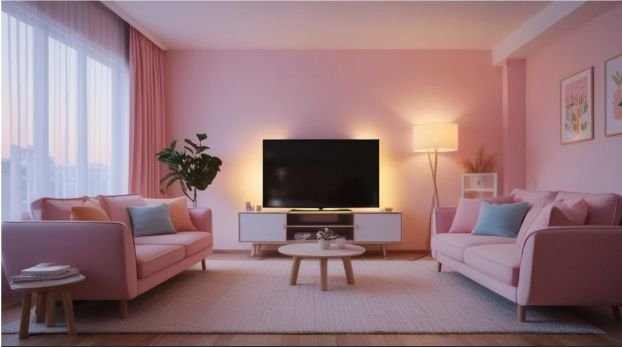
    For a conversation-friendly layout, place two sofas facing each other perpendicular to the TV wall. Then add swivel armchairs that turn toward the TV for movie nights. This keeps the room social without sacrificing screen visibility.

    Style the Room Without Making It Feel Like a Theater

    Once the layout works, soften the room. Use an area rug to anchor the seating zone. Choose a media console wider than the TV so the wall feels balanced. A tiny console under a large screen can make the setup look top-heavy.

    Mix shapes too. A straight sofa pairs well with a round coffee table. Boxy sectionals look warmer with curved side tables or soft ottomans.

    Safety also matters. The U.S. Consumer Product Safety Commission recommends anchoring TVs and furniture to prevent tip-over injuries, especially in homes with children. A beautiful layout is not finished until heavy pieces are secure.

    For more room planning inspiration, explore living room furniture layout ideas before choosing your final setup.

    FAQs

    1. How do I arrange a small living room with a TV?

    Use a compact sofa facing the TV, choose a low media console, and keep walkways open instead of adding extra chairs.

    2. Should the couch face the TV or fireplace?

    The couch should face the feature used most often, but swivel chairs can help balance both.

    3. Can I put a TV in front of a window?

    Yes, but only with a low console, smaller TV, and curtains to control glare.

    4. What is the best layout for how to arrange living room furniture with tv and windows?

    Place the TV perpendicular to the window wall and position the sofa directly across from the screen.

    The Final Couch Boss Move

    The best layout is not the one that looks perfect in a showroom. It is the one that works at 7 p.m., when someone is watching TV, someone else is walking through the room, and the coffee table is actually being used.

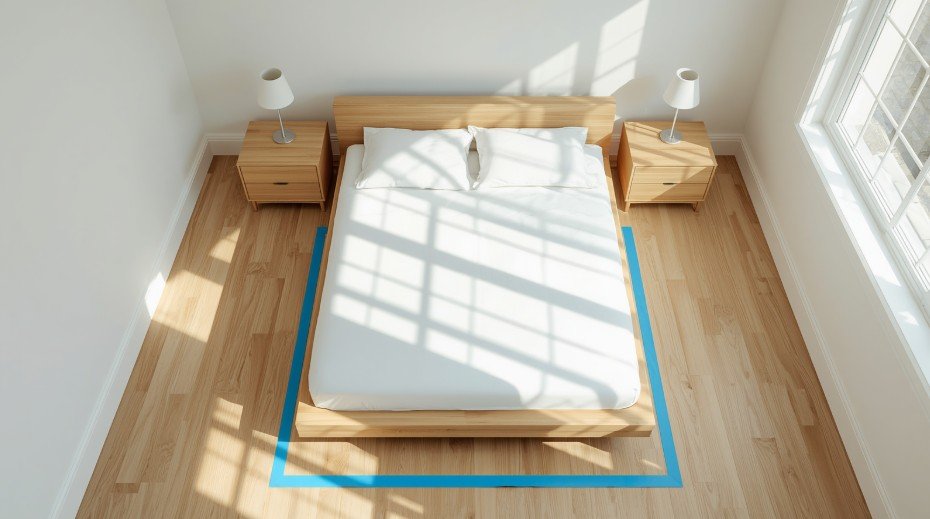
    My final tip is simple: tape the sofa, TV stand, and coffee table positions on the floor before moving anything heavy. If the taped layout feels easy to walk through, comfortable to view, and balanced with the window, you have found your winner.